The closest planet to the sun. It circles the sun faster than all the other planets, which is why Romans
named it after their swift-footed messenger god.
Planet
Venus
Named for the Roman goddess of love and beauty. In ancient times, Venus was often thought to be two
different stars, the evening star and the morning star.
Moon
Moon
CLICK ME
Planet
Earth
Earth, our home. It is the only planet known to have an atmosphere containing free oxygen, oceans of liquid
water on its surface, and, of course, life.
Moon
Deimos
CLICK ME
Moon
Phoebos
CLICK ME
Planet
Mars
Fourth planet from the Sun and the second smallest planet in the solar systm. Named after the Roman god of
war often described as the “Red Planet”.
Moon
Io
CLICK ME
Moon
Europa
CLICK ME
Moon
Ganymede
CLICK ME
Planet
Jupiter
Jupiter is the largest planet in the solar systm. Fittingly, it was named after the king of the gods in
Roman mythology.
Moon
Titan
CLICK ME
Moon
Dione
CLICK ME
Moon
Enceladus
CLICK ME
Planet
Saturn
Saturn is the sixth planet from the sun and the second largest planet in the solar systm. Saturn was the
Roman name for Cronus, the lord of the Titans.
Moon
Miranda
CLICK ME
Moon
Ariel
CLICK ME
Moon
Umbriel
CLICK ME
Planet
Uranus
The first planet to be discovered by scientists. The planet is notable for its dramatic tilt, which causes
its axis to point nearly directly at the sun.
Moon
Triton
CLICK ME
Moon
Proteus
CLICK ME
Moon
Nereid
CLICK ME
Planet
Neptune
Dark, cold, and whipped by supersonic winds, ice giant Neptune is more than 30 times as far from the Sun as
Earth. Neptune is the only planet in our solar system not visible to the naked eye.
Dwarf planet
Pluto
Pluto, once considered the ninth and most distant planet from the sun, is now the largest known dwarf
planet in the solar systm.
Mercury
Mercury is the closest planet to the sun. As such, it circles the sun faster than all the other planets, which is
why Romans named it after their swift-footed messenger god.
The Sumerians also knew of Mercury since at least 5,000 years ago. It was often associated with Nabu, the god of
writing. Mercury was also given separate names for its appearance as both a morning star and as an evening star.
Greek astronomers knew, however, that the two names referred to the same body, and Heraclitus, around 500 B.C.,
correctly thought that both Mercury and Venus orbited the sun, not Earth.
A year on Mercury is just 88 days long.
One solar day (the time from noon to noon on the planet's surface) on Mercury lasts the equivalent of 176 Earth
days while the sidereal day (the time for 1 rotation in relation to a fixed point) lasts 59 Earth days. Mercury is
nearly tidally locked to the Sun and over time this has slowed the rotation of the planet to almost match its
orbit around the Sun. Mercury also has the highest orbital eccentricity of all the planets with its distance from
the Sun ranging from 46 to 70 million km.
Mercury is the smallest planet in the Solar Systm.
One of five planets visible with the naked eye a, Mercury is just 4,879 Kilometres across its equator, compared
with 12,742 Kilometres for the Earth.
Mercury is the second densest planet.
Even though the planet is small, Mercury is very dense. Each cubic centimetre has a density of 5.4 grams, with
only the Earth having a higher density. This is largely due to Mercury being composed mainly of heavy metals and
rock.
Mercury has wrinkles.
As the iron core of the planet cooled and contracted, the surface of the planet became wrinkled. Scientist have
named these wrinkles, Lobate Scarps. These Scarps can be up to a mile high and hundreds of miles long.
Venus
Venus, the second planet from the sun, is named for the Roman goddess of love and beauty. The planet — the only
planet named after a female — may have been named for the most beautiful deity of her pantheon because it shone
the brightest of the five planets known to ancient astronomers.
In ancient times, Venus was often thought to be two different stars, the evening star and the morning star — that
is, the ones that first appeared at sunset and sunrise. In Latin, they were respectively known as Vesper and
Lucifer. In Christian times, Lucifer, or "light-bringer," became known as the name of Satan before his fall.
However, further observations of Venus in the space age show a very hellish environment. This makes Venus a very
difficult planet to observe from up close, because spacecraft do not survive long on its surface.
A day on Venus lasts longer than a year.
It takes 243 Earth days to rotate once on its axis (sidereal day). The planet’s orbit around the Sun takes 225
Earth days, compared to the Earth’s 365. A day on the surface of Venus (solar day) takes 117 Earth days.
Venus rotates in the opposite direction to most other planets.
This means that Venus is rotating in the opposite direction to the Sun, this is also know as a retrograde
rotation. A possible reason might be a collision in the past with an asteroid or other object that caused the
planet to alter its rotational path. It also differs from most other planets in our solar systm by having no
natural satellites.
Venus is the second brightest object in the night sky.
Only the Moon is brighter. With a magnitude of between -3.8 to -4.6 Venus is so bright it can be seen during
daytime on a clear day.
Atmospheric pressure on Venus is 92 times greater than the Earth’s.
While its size and mass are similar to Earth, the small asteroids are crushed when entering its atmosphere,
meaning no small craters lie on the surface of the planet. The pressure felt by a human on the surface would be
equivalent to that experienced deep beneath the sea on Earth.
Earth
Earth, our home, is the third planet from the sun. It is the only planet known to have an atmosphere containing
free oxygen, oceans of liquid water on its surface, and, of course, life.
Earth is the fifth largest of the planets in the solar systm — smaller than the four gas giants, Jupiter, Saturn,
Uranusand Neptune, but larger than the three other rocky planets,
The Earth’s rotation is gradually slowing.
This deceleration is happening almost imperceptibly, at approximately 17 milliseconds per hundred years, although
the rate at which it occurs is not perfectly uniform. This has the effect of lengthening our days, but it happens
so slowly that it could be as much as 140 million years before the length of a day will have increased to 25
hours.
The Earth was once believed to be the centre of the universe.
Due to the apparent movements of the Sun and planets in relation to their viewpoint, ancient scientists insisted
that the Earth remained static, whilst other celestial bodies travelled in circular orbits around it. Eventually,
the view that the Sun was at the centre of the universe was postulated by Copernicus, though this is also not the
case.
Earth has a powerful magnetic field.
This phenomenon is caused by the nickel-iron core of the planet, coupled with its rapid rotation. This field
protects the Earth from the effects of solar wind.
There is only one natural satellite of the planet Earth.
As a percentage of the size of the body it orbits, the Moon is the largest satellite of any planet in our solar
systm. In real terms, however, it is only the fifth largest natural satellite.
Mars
Mars is the fourth planet from the sun. Befitting the red planet's bloody color, the Romans named it after their
god of war. The Romans copied the ancient Greeks, who also named the planet after their god of war, Ares. Other
civilizations also typically gave the planet names based on its color — for example, the Egyptians named it "Her
Desher," meaning "the red one," while ancient Chinese astronomers dubbed it "the fire star."
Mars and Earth have approximately the same landmass.
Even though Mars has only 15% of the Earth’s volume and just over 10% of the Earth’s mass, around two thirds of
the Earth’s surface is covered in water. Martian surface gravity is only 37% of the Earth’s (meaning you could
leap nearly three times higher on Mars).
Mars is home to the tallest mountain in the solar systm.
Olympus Mons, a shield volcano, is 21km high and 600km in diameter. Despite having formed over billions of years,
evidence from volcanic lava flows is so recent many scientists believe it could still be active.
Only 18 missions to Mars have been successful.
As of September 2014 there have been 40 missions to Mars, including orbiters, landers and rovers but not counting
flybys. The most recent arrivals include the Mars Curiosity mission in 2012, the MAVEN mission, which arrived on
September 22, 2014, followed by the Indian Space Research Organization’s MOM Mangalyaan orbiter, which arrived on
September 24, 2014. The next missions to arrive will be the European Space Agency’s ExoMars mission, comprising an
orbiter, lander, and a rover, followed by NASA’s InSight robotic lander mission, slated for launch in March 2016
and a planned arrival in September, 2016.
Mars has the largest dust storms in the solar systm.
They can last for months and cover the entire planet. The seasons are extreme because its elliptical
(oval-shaped) orbital path around the Sun is more elongated than most other planets in the solar systm.
Jupiter
Jupiter is the largest planet in the solar systm. Fittingly, it was named after the king of the gods in Roman
mythology. In a similar manner, the ancient Greeks named the planet after Zeus, the king of the Greek pantheon.
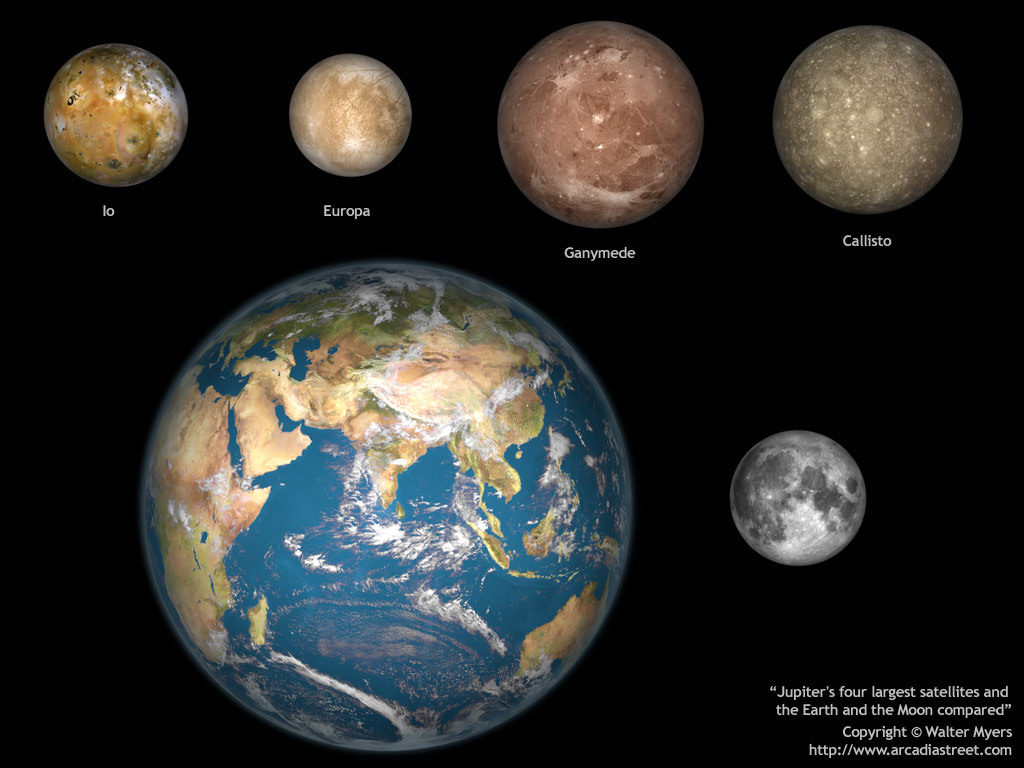
Jupiter helped revolutionize the way we saw the universe and ourselves in 1610, when Galileo discovered Jupiter's
four large moons — Io, Europa, Ganymede and Callisto, now known as the Galilean moons. This was the first time
that celestial bodies were seen circling an object other than Earth, major support of the Copernican view that
Earth was not the center of the universe.
Jupiter is the fourth brightest object in the solar systm.
Only the Sun, Moon and Venus are brighter. It is one of five planets visible to the naked eye from Earth.
The ancient Babylonians were the first to record their sightings of Jupiter.
This was around the 7th or 8th century BC. Jupiter is named after the king of the Roman gods. To the Greeks, it
represented Zeus, the god of thunder. The Mesopotamians saw Jupiter as the god Marduk and patron of the city of
Babylon. Germanic tribes saw this planet as Donar, or Thor.
Jupiter has the shortest day of all the planets.
It turns on its axis once every 9 hours and 55 minutes. The rapid rotation flattens the planet slightly, giving
it an oblate shape.
Jupiter orbits the Sun once every 11.8 Earth years.
From our point of view on Earth, it appears to move slowly in the sky, taking months to move from one
constellation to another.
Saturn
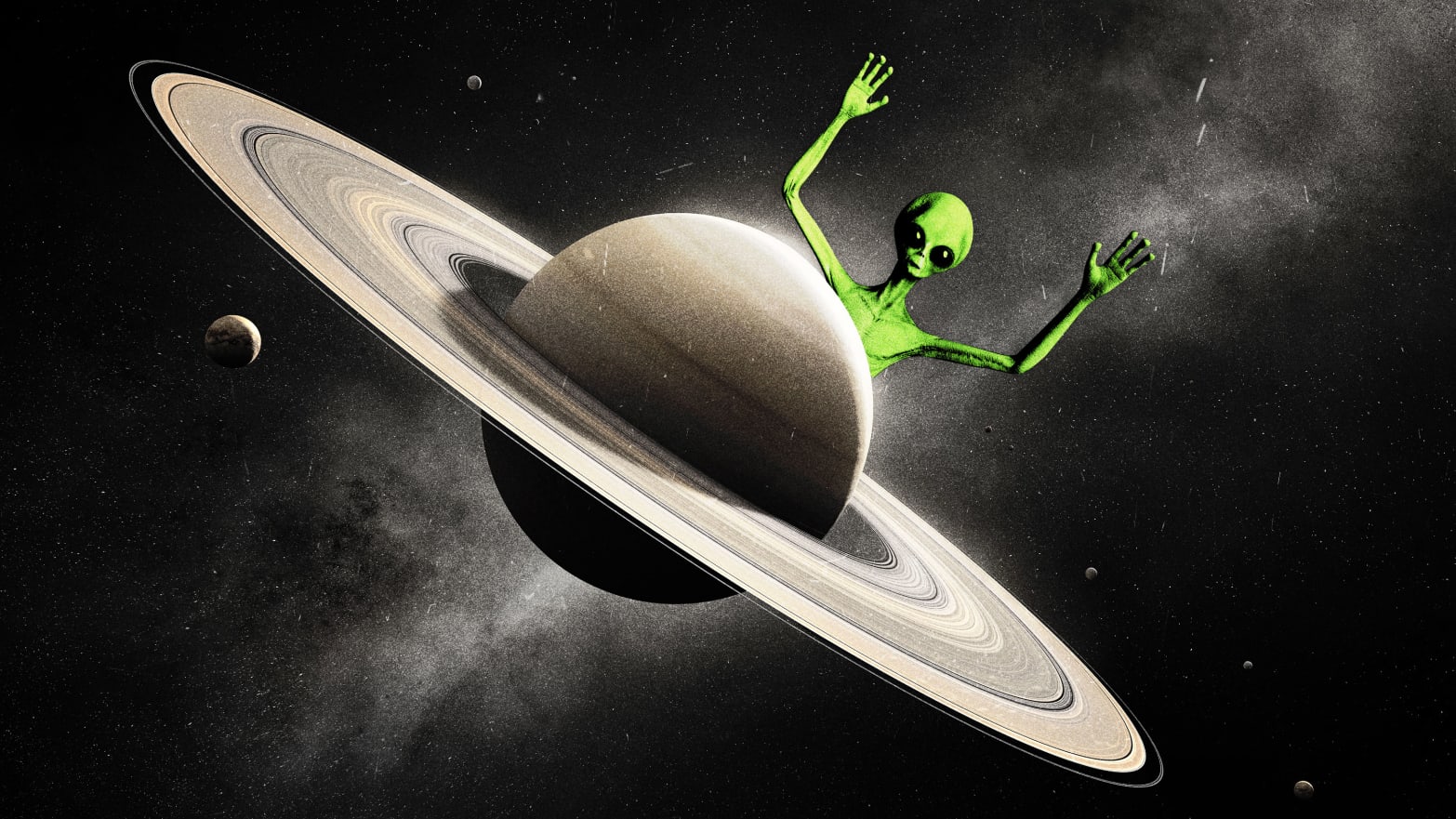
Saturn is the sixth planet from the sun and the second largest planet in the solar systm. Saturn was the Roman
name for Cronus, the lord of the Titans in Greek mythology. Saturn is the root of the English word "Saturday."
Saturn is the farthest planet from Earth visible to the naked human eye, but it is through a telescope that the
planet's most outstanding features can be seen: Saturn's rings. Although the other gas giants in the solar systm —
Jupiter, Uranus and Neptune — also have rings, those of Saturn are without a doubt the most extraordinary.
Saturn can be seen with the naked eye.
It is the fifth brightest object in the solar systm and is also easily studied through binoculars or a small
telescope.
Saturn was known to the ancients, including the Babylonians and Far Eastern observers.
It is named for the Roman god Saturnus, and was known to the Greeks as Cronus.
Saturn is the flattest planet.
Its polar diameter is 90% of its equatorial diameter, this is due to its low density and fast rotation. Saturn
turns on its axis once every 10 hours and 34 minutes giving it the second-shortest day of any of the solar systm’s
planets.
Saturn orbits the Sun once every 29.4 Earth years.
Its slow movement against the backdrop of stars earned it the nickname of “Lubadsagush” from the ancient
Assyrians. The name means “oldest of the old”.
Uranus
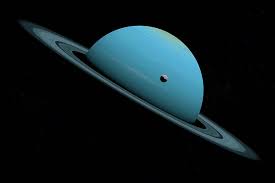
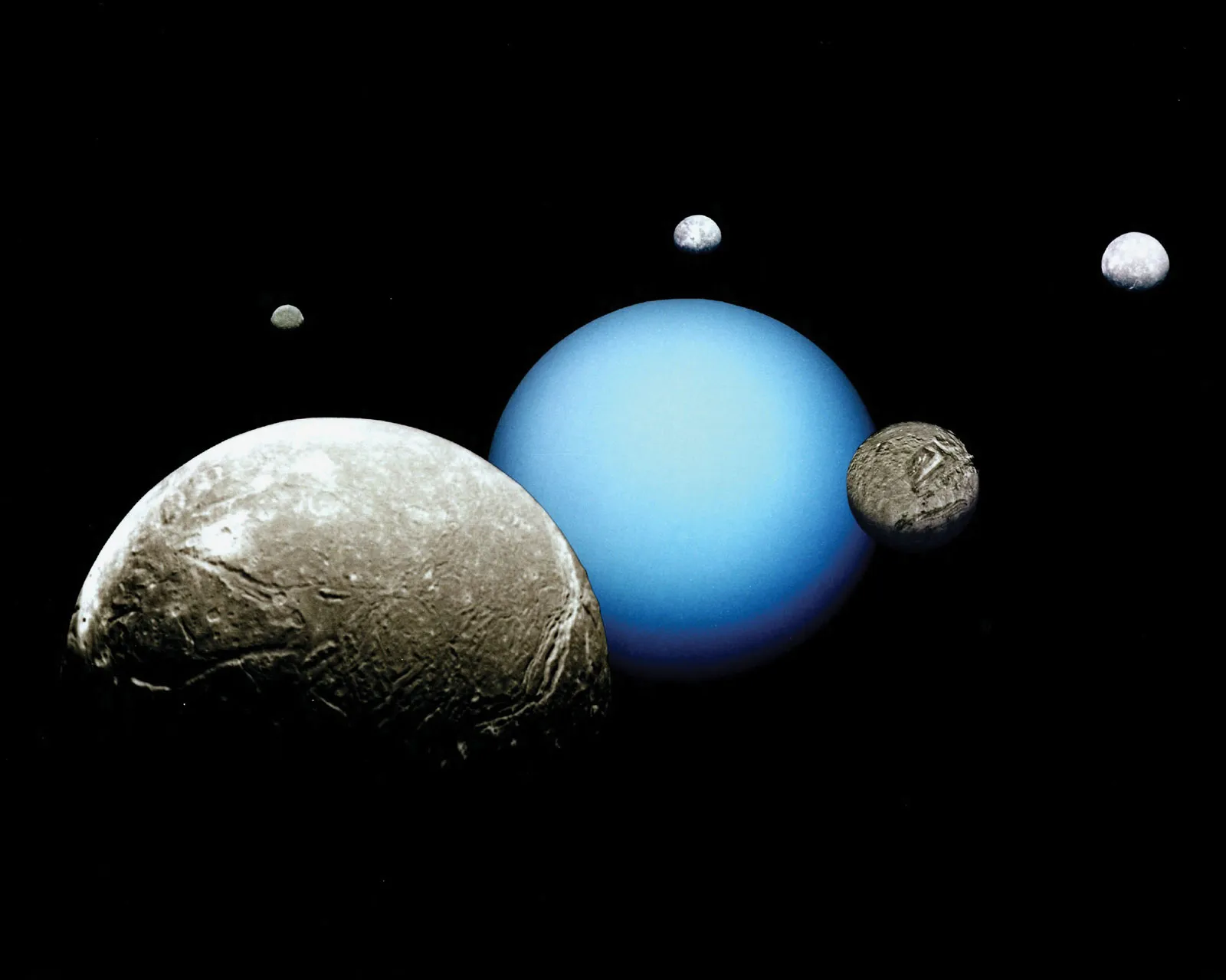
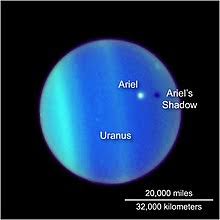
Uranus is the seventh planet from the sun and the first to be discovered by scientists. Although Uranus is
visible to the naked eye, it was long mistaken as a star because of the planet's dimness and slow orbit. The
planet is also notable for its dramatic tilt, which causes its axis to point nearly directly at the sun.
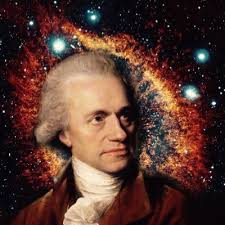
British astronomer William Herschel discovered Uranus accidentally on March 13, 1781, with his telescope while
surveying all stars down to those about 10 times dimmer than can be seen by the naked eye. One "star" seemed
different, and within a year Uranus was shown to follow a planetary orbit.
Uranus was officially discovered by Sir William Herschel in 1781.
It is too dim to have been seen by the ancients. At first Herschel thought it was a comet, but several years
later it was confirmed as a planet. Herscal tried to have his discovery named “Georgian Sidus” after King George
III. The name Uranus was suggested by astronomer Johann Bode. The name comes from the ancient Greek deity Ouranos.
Uranus turns on its axis once every 17 hours, 14 minutes.
The planet rotates in a retrograde direction, opposite to the way Earth and most other planets turn.
Uranus makes one trip around the Sun every 84 Earth years.
During some parts of its orbit one or the other of its poles point directly at the Sun and get about 42 years of
direct sunlight. The rest of the time they are in darkness.
Uranus is often referred to as an “ice giant” planet.
Like the other gas giants, it has a hydrogen upper layer, which has helium mixed in. Below that is an icy
“mantle, which surrounds a rock and ice core. The upper atmosphere is made of water, ammonia and the methane ice
crystals that give the planet its pale blue colour.
Neptune
Neptune is the eighth planet from the sun. It was the first planet to get its existence predicted by mathematical
calculations before it was actually seen through a telescope on Sept. 23, 1846. Irregularities in the orbit of
Uranus led French astronomer Alexis Bouvard to suggest that the gravitational pull from another celestial body
might be responsible. German astronomer Johann Galle then relied on subsequent calculations to help spot Neptune
via telescope. Previously, astronomer Galileo Galilei sketched the planet, but he mistook it for a star due to its
slow motion. In accordance with all the other planets seen in the sky, this new world was given a name from Greek
and Roman mythology — Neptune, the Roman god of the sea.
Only one mission has flown by Neptune – Voyager 2 in 1989 – meaning that astronomers have done most studies using
ground-based telescopes. Today, there are still many mysteries about the cool, blue planet, such as why its winds
are so speedy and why its magnetic field is offset.
Neptune was not known to the ancients.
It is not visible to the naked eye and was first observed in 1846. Its position was determined using mathematical
predictions. It was named after the Roman god of the sea.
Neptune spins on its axis very rapidly.
Its equatorial clouds take 18 hours to make one rotation. This is because Neptune is not solid body.
Neptune is the smallest of the ice giants.
Despite being smaller than Uranus, Neptune has a greater mass. Below its heavy atmosphere, Uranus is made of
layers of hydrogen, helium, and methane gases. They enclose a layer of water, ammonia and methane ice. The inner
core of the planet is made of rock.
The atmosphere of Neptune is made of hydrogen and helium, with some methane.
The methane absorbs red light, which makes the planet appear a lovely blue. High, thin clouds drift in the upper
atmosphere.
Pluto
Pluto, once considered the ninth and most distant planet from the sun, is now the largest known dwarf planet in
the solar systm. It is also one of the largest known members of the Kuiper Belt, a shadowy zone beyond the orbit
of Neptune thought to be populated by hundreds of thousands of rocky, icy bodies each larger than 62 miles (100
kilometers) across, along with 1 trillion or more comets.
In 2006, Pluto was reclassified as a dwarf planet, a change widely thought of as a demotion. The question of
Pluto's planet status has attracted controversy and stirred debate in the scientific community, and among the
general public, since then. In 2017, a science group (including members of the New Horizon mission) proposed a new
definition of planethood based on "round objects in space smaller than stars," which would make the number of
planets in our solar systm expand from 8 to roughly 100.
Pluto is named after the Greek god of the underworld.
This is a later name for the more well known Hades and was proposed by Venetia Burney an eleven year old
schoolgirl from Oxford, England.
Pluto was reclassified from a planet to a dwarf planet in 2006.
This is when the IAU formalised the definition of a planet as “A planet is a celestial body that (a) is in orbit
around the Sun, (b) has sufficient mass for its self-gravity to overcome rigid body forces so that it assumes a
hydrostatic equilibrium (nearly round) shape, and (c) has cleared the neighbourhood around its orbit.”
Pluto was discovered on February 18th, 1930 by the Lowell Observatory.
For the 76 years between Pluto being discovered and the time it was reclassified as a dwarf planet it completed
under a third of its orbit around the Sun.
Pluto has five known moons.
The moons are Charon (discovered in 1978,), Hydra and Nix (both discovered in 2005), Kerberos originally P4
(discovered 2011) and Styx originally P5 (discovered 2012) official designations S/2011 (134340) 1 and S/2012
(134340) 1.
×
INTERESTING FACTS
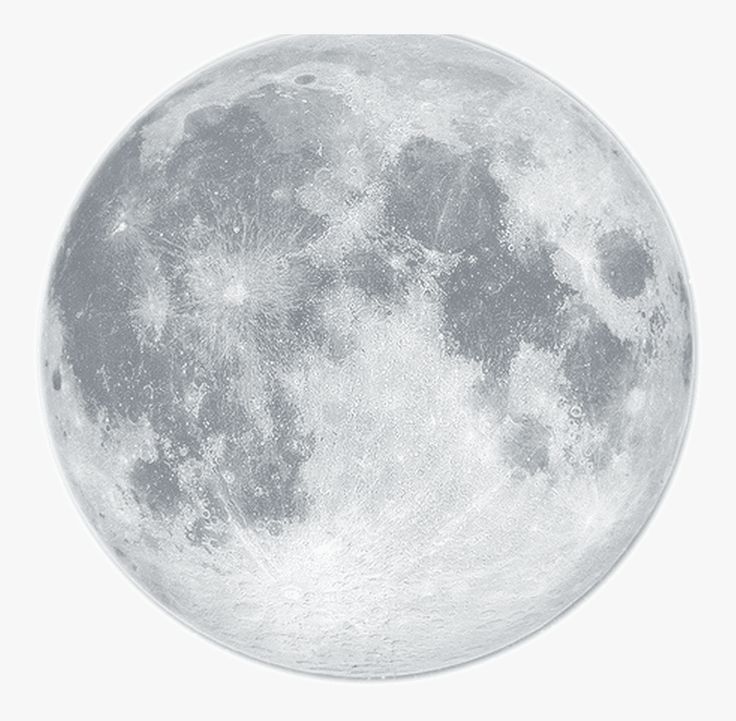
THE MOON IS MOVING APPROXIMATELY 3.8CM AWAY FROM OUR PLANET EVERY YEAR.
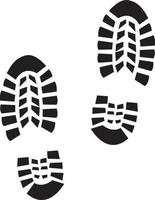
THERE ARE FRESH FOOTPRINTS ON THE LUNAR SURFACE,EVEN THOUGH NEARLY 50 YEARS HAVE PASSED SINCE ASTRONAUTS
TOOK THE LAST STEPS
MOON CAN FULFIL OUR ENERY DEMAND
THERE ARE MOONBOWS SIMILAR TO RAINBOWS
×
INTERESTING FACTS
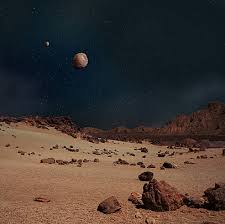
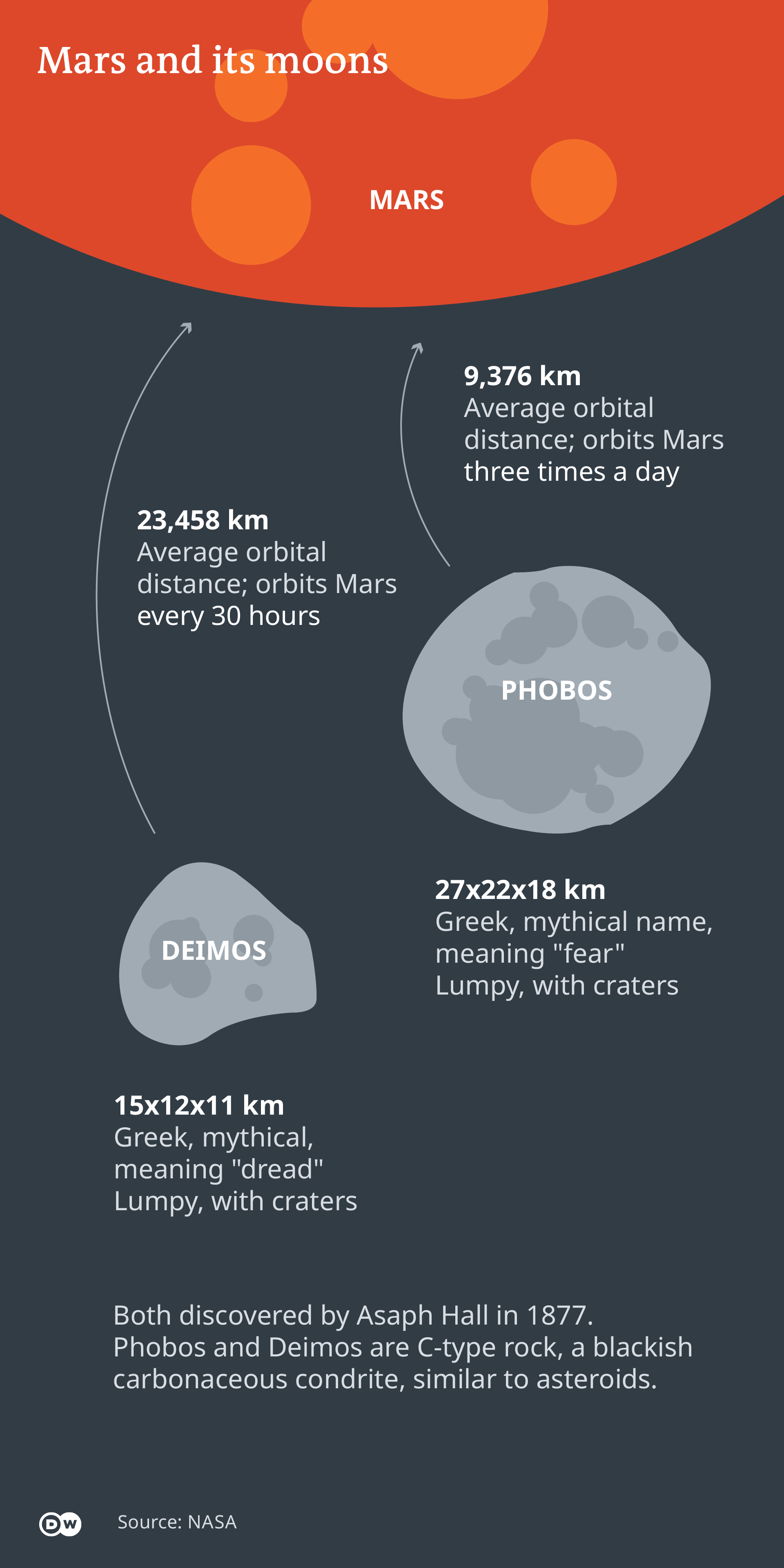
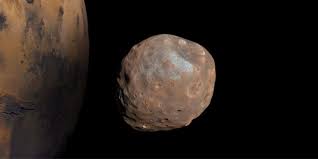
Deimos is moving farther away from the planet Mars.
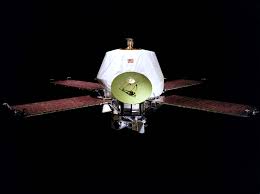
The 1971 Mariner 9 was the first spacecraft to ever orbit a planet and it explored both Deimos and
Phobos.
There is no atmosphere on either Deimos or Phobos.
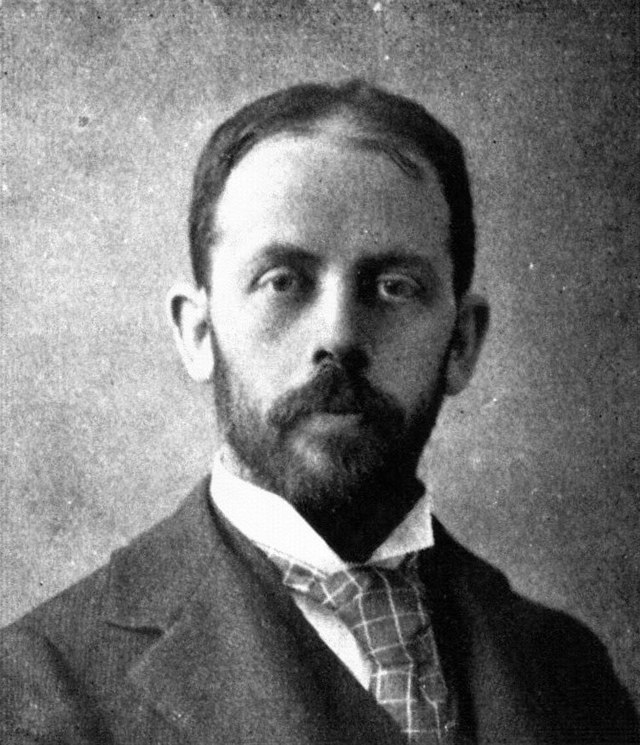
Deimos was discovered by Asaph Hall at the United States Naval Observatory in Washington, D.C., on 12
August 1877.
×
INTERESTING FACTS
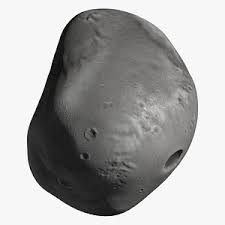
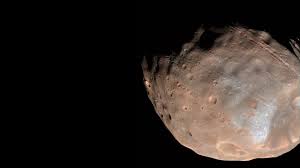
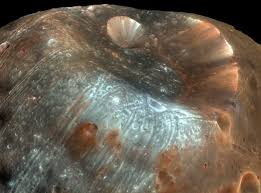
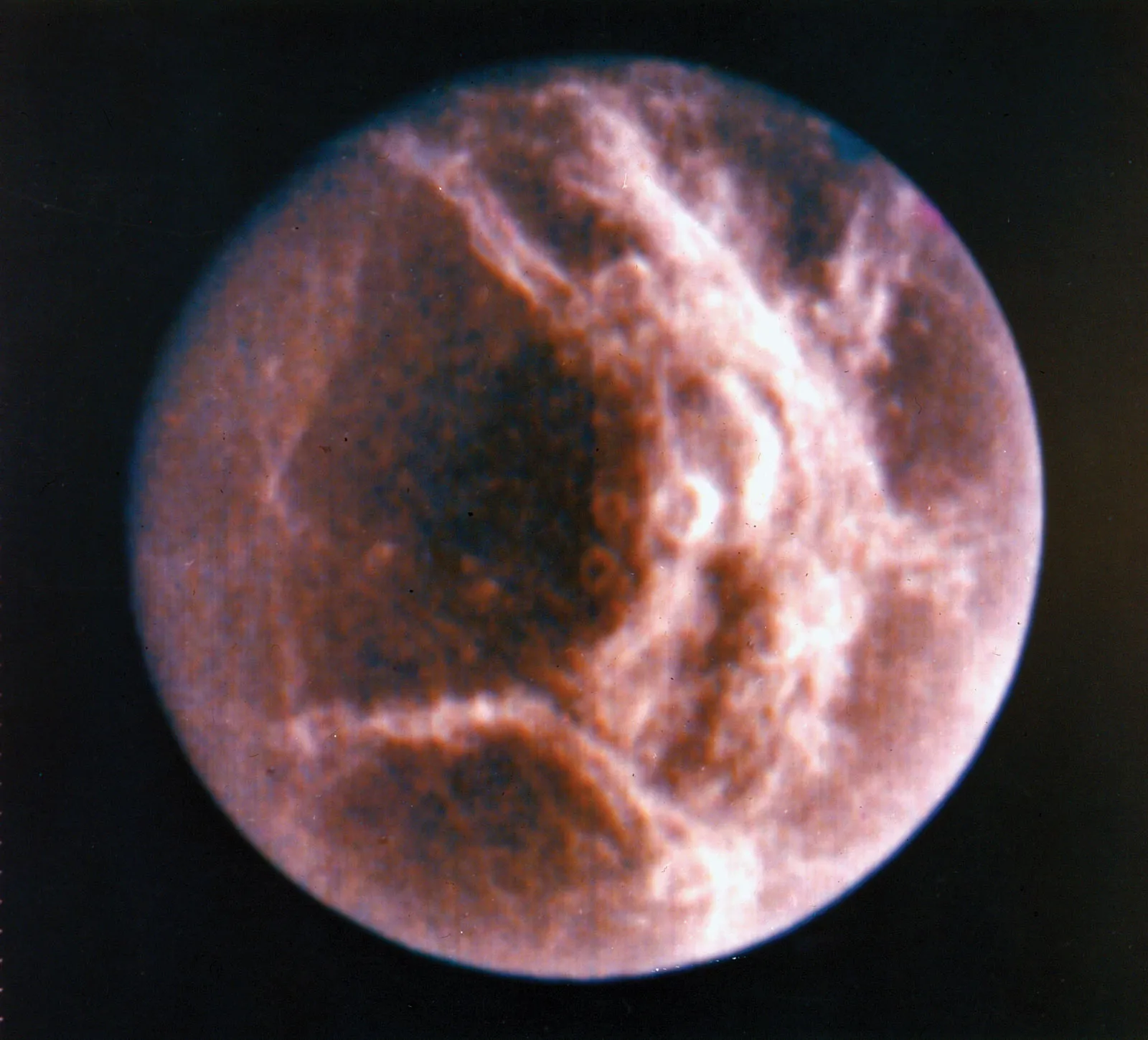
Phobos, the inner and larger of Mars’s two moons.
Because the satellite’s orbital period is less than the rotational period of Mars (24 hours 37 minutes),
Phobos moves from west to east in the Martian sky.
Phobos is on a collision course with Mars. It's nearing Mars at a rate of six feet (1.8 meters) every
hundred years.
The most prominent feature on Phobos is Stickney Crater.Stickney crater is about 6-miles wide, and takes
up about half the moon's surface.
×
INTERESTING FACTS
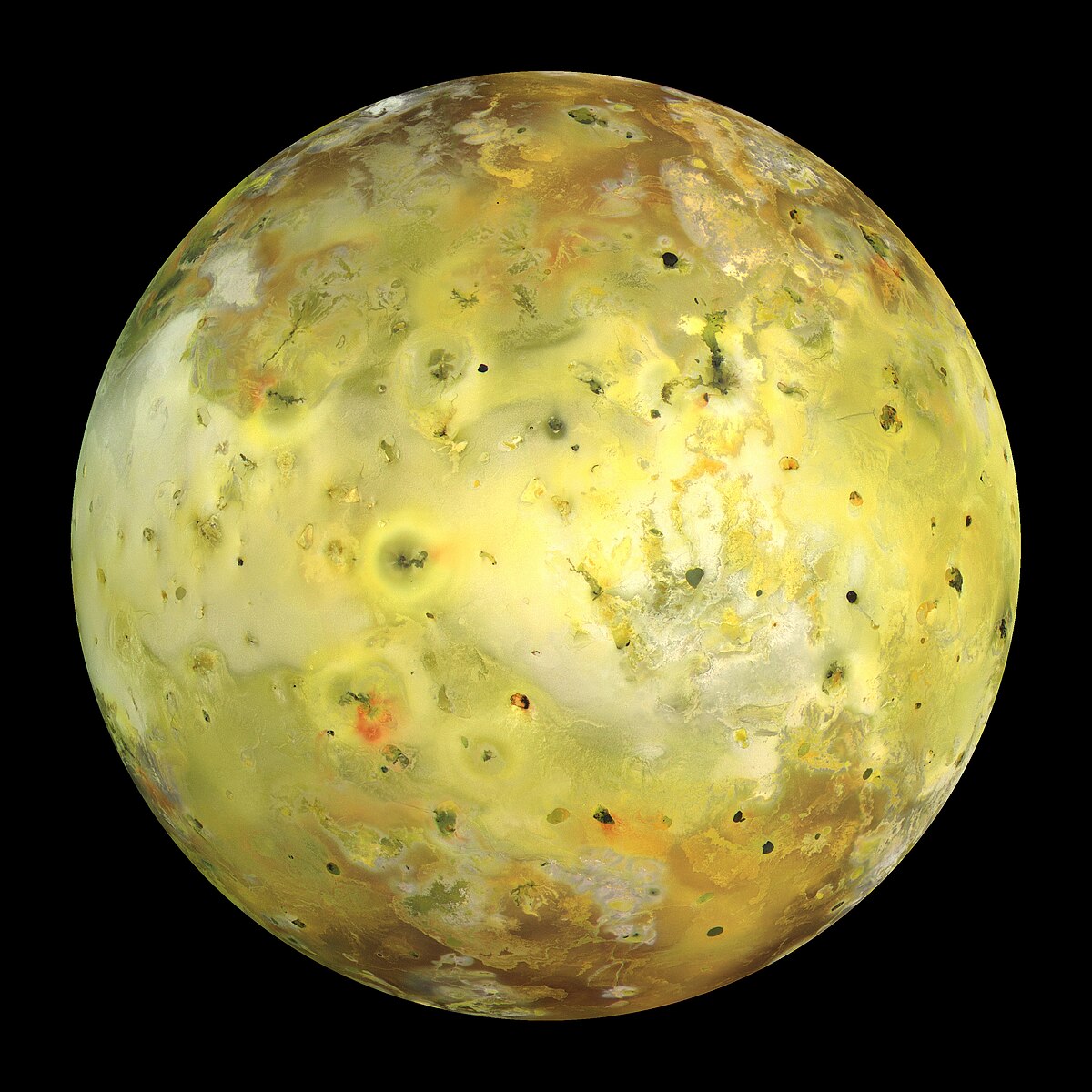
Io was discovered on Jan. 8, 1610, by Galileo Galilei.
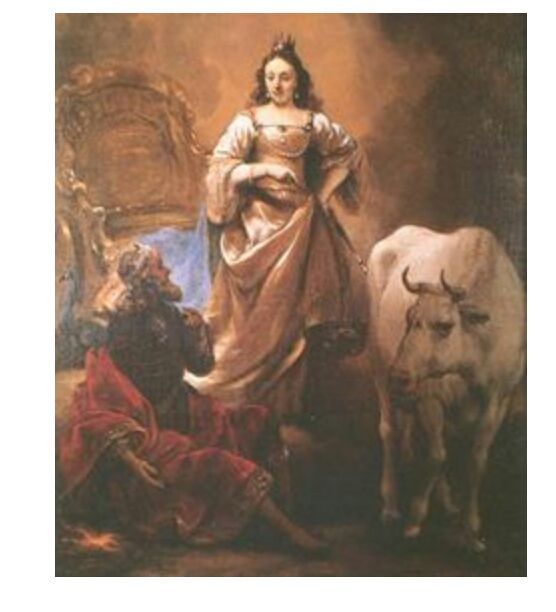
In mythology, Io is a mortal woman transformed into a cow during a marital dispute between the Greek god
Zeus – Jupiter in Roman mythology – and his wife, Juno.
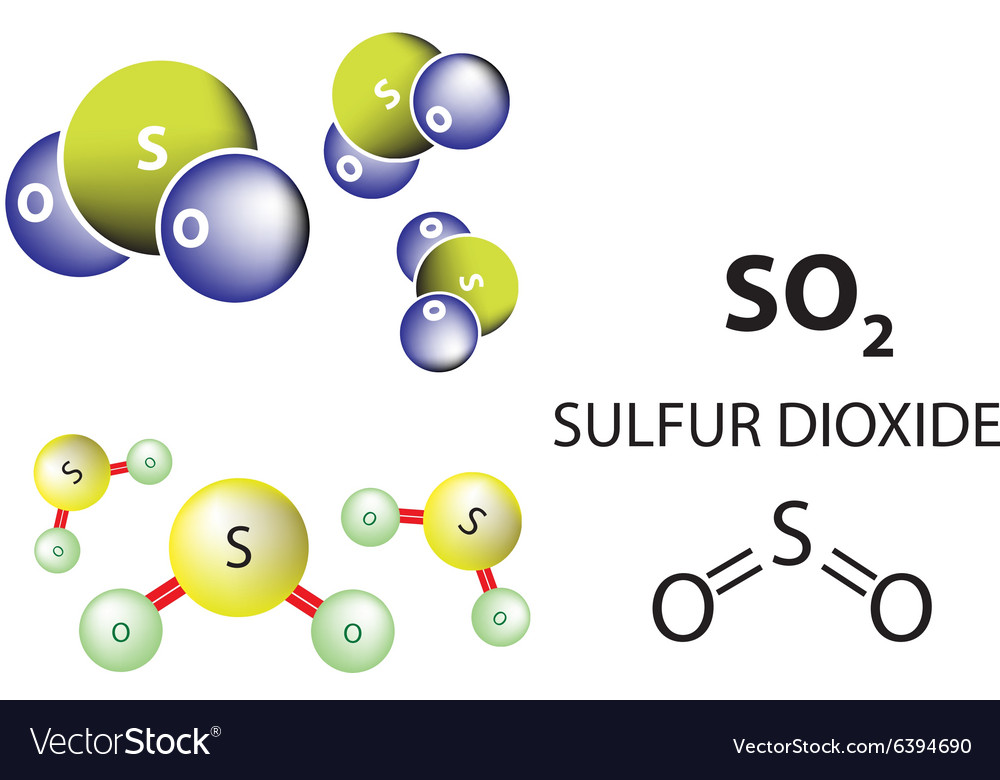
Sulfur dioxide is the primary constituent of a thin atmosphere on Io. It has no water to speak of.
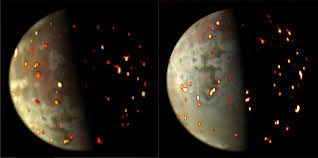
Io — Jupiter's fifth moon — is the most volcanically active body in the solar system.
×
INTERESTING FACTS
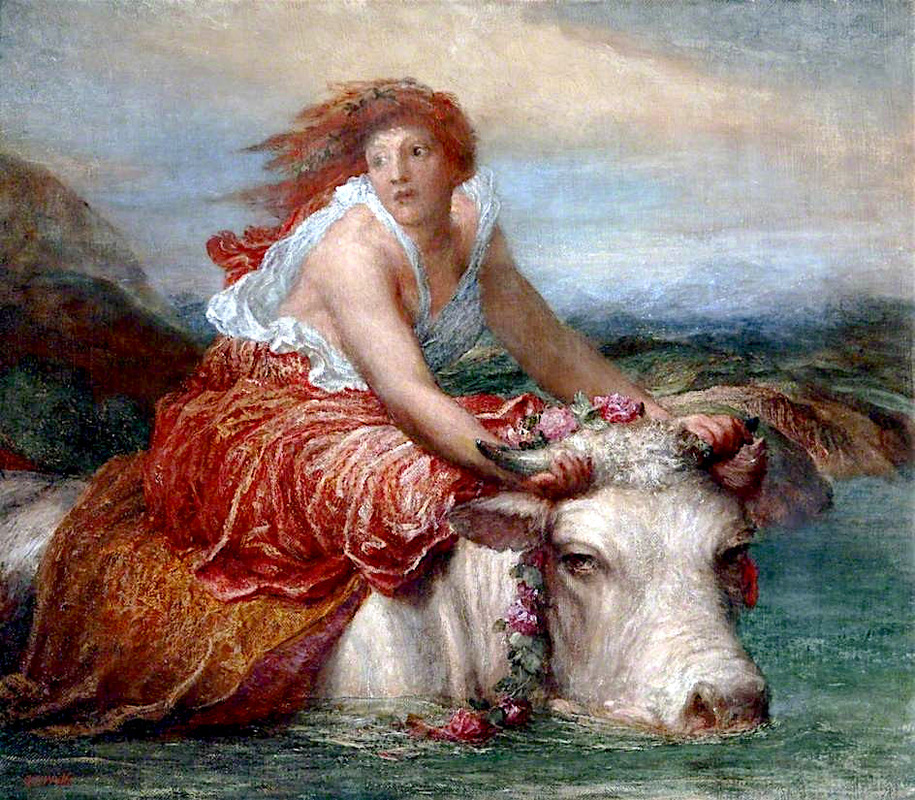
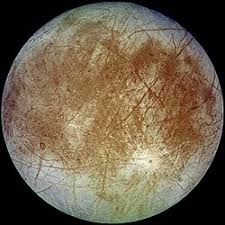
Europa is named for a woman who, in Greek mythology, was abducted by the god Zeus – Jupiter in Roman
mythology.
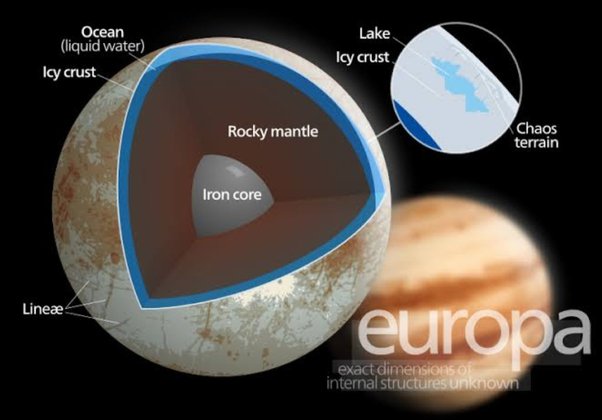
Europa's surface is made of water ice and so it reflects 5.5 times the sunlight than our Moon does.
Europa is the smallest of the four Galilean moons orbiting Jupiter, and the sixth-closest to the planet
of all the 95 known moons of Jupiter.
Europa is the smoothest known object in the Solar System, lacking large-scale features such as mountains
and craters.
×
INTERESTING FACTS
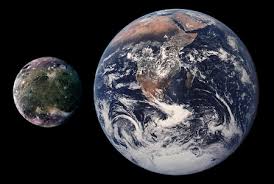
Jupiter's icy moon Ganymede is the largest moon in our solar system, even bigger than the planet Mercury,
and the dwarf planet Pluto.
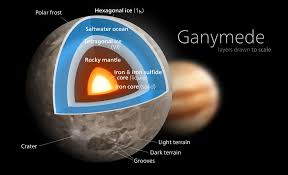
There's strong evidence that Ganymede has an underground saltwater ocean that may hold more water than
all the water on Earth's surface.
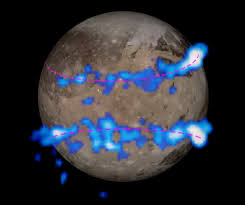
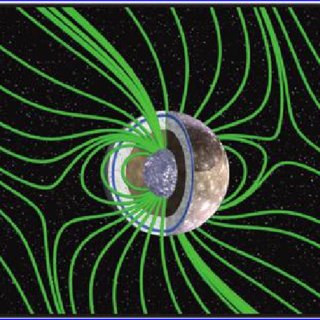
Ganymede is the only moon known to have its own magnetic field – a discovery made by NASA’s Galileo
spacecraft in 1996.
Ganymede completes an orbit around Jupiter about every seven Earth days (7.155).
×
INTERESTING FACTS
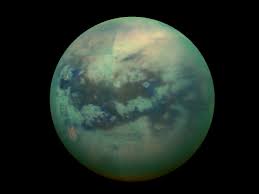
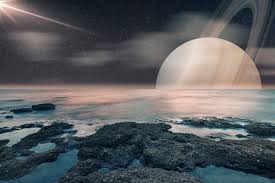
Saturn's largest moon, Titan, is an icy world whose surface is completely obscured by a golden hazy
atmosphere.
Among our solar system's hundreds of known moons, Titan is the only one with a substantial atmosphere.
And of all the places in the solar system, Titan is the only place besides Earth known to have liquids in
the form of rivers, lakes and seas on its surface.
It was discovered by Christiaan Huygens in 1655. Titan's rotation period of about 16 days is synchronous
to Saturn (meaning the same side always faces Saturn).
×
INTERESTING FACTS
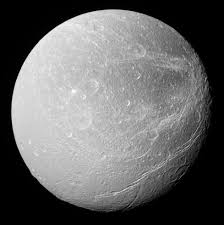
Dione (/daɪˈoʊni/), also designated Saturn IV, is the fourth-largest moon of Saturn.
Dione is composed of an icy mantle and crust overlying a silicate rocky core, with rock and water ice
roughly equal in mass.
The moon was discovered by Italian astronomer Giovanni Domenico Cassini in 1684 and is named after the
Titaness Dione in Greek mythology.
Dione has two co-orbital, or trojan, moons, Helene and Polydeuces.
×
INTERESTING FACTS
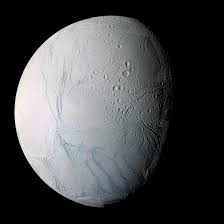
British astronomer William Herschel spotted Enceladus orbiting Saturn on Aug. 28, 1789.
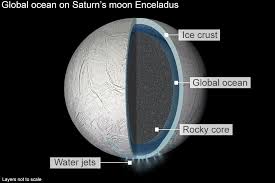
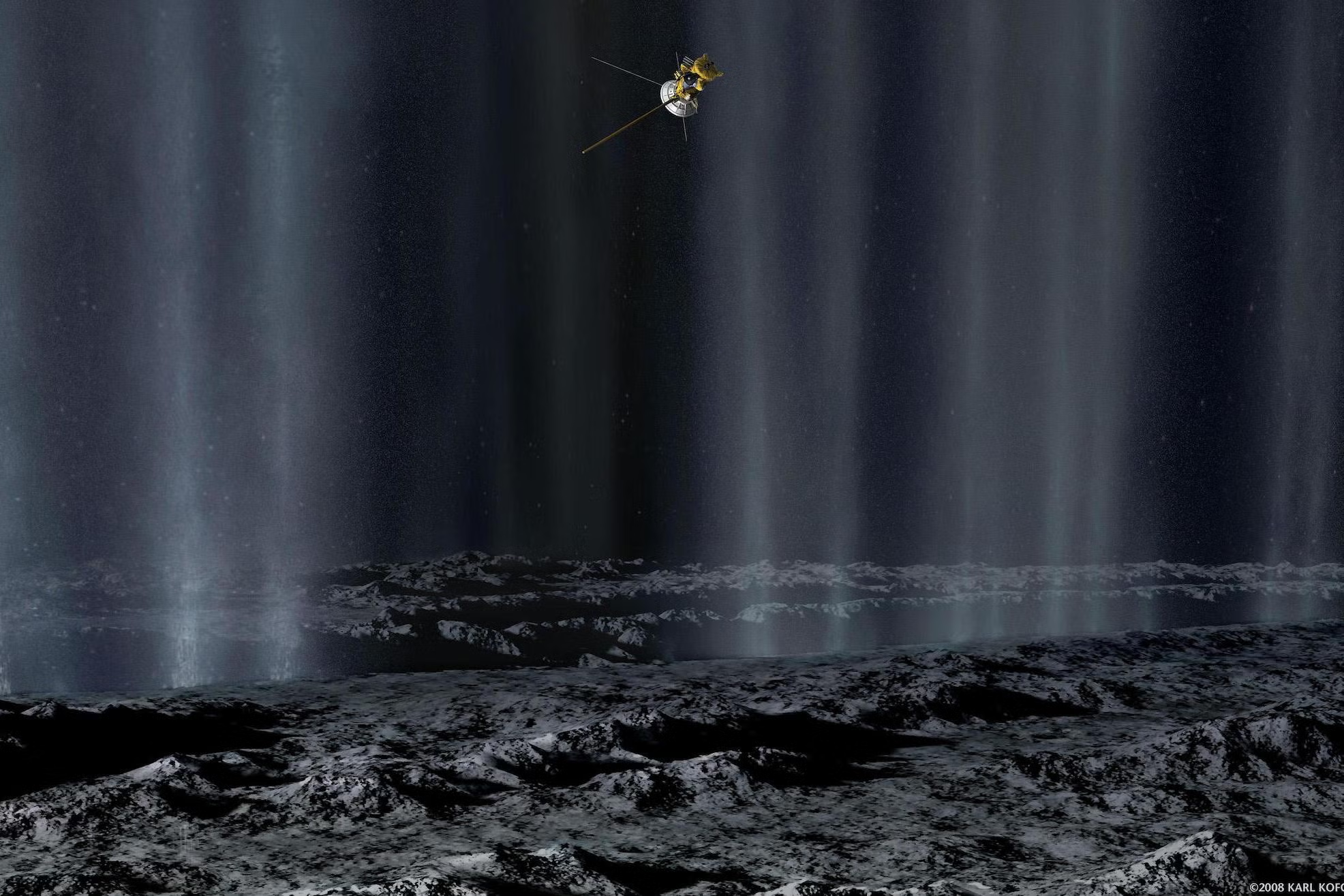
Enceladus is an active moon that hides a global ocean of liquid salty water beneath its crust.
About as wide as Arizona, Enceladus also has the whitest, most reflective surface in the solar system.
Cassini discovered that geyser-like jets spew water vapor and ice particles from an underground ocean
beneath the icy crust of Enceladus.
×
INTERESTING FACTS
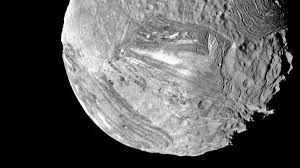
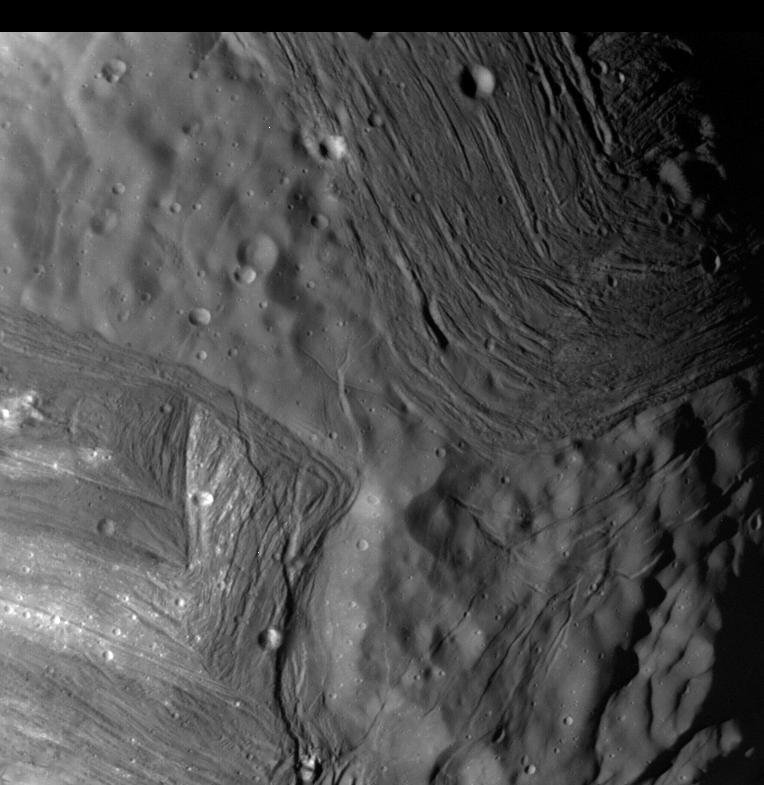
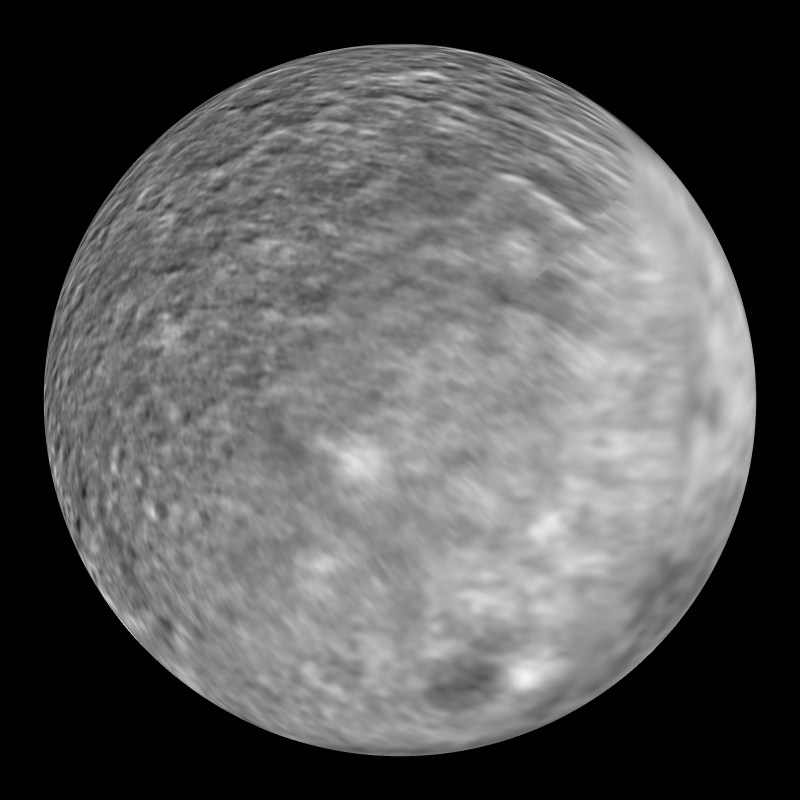
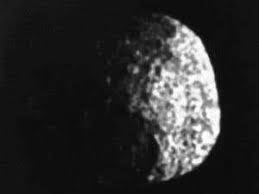
Miranda has a unique surface.It has fractures, faults, valleys, craters, ridges, gorges, depressions,
cliffs, and terraces.
One of the most remarkable features on Miranda is known as the "chevron". It is a series of light and
dark grooves arranged in a v-shape.
It is named after one of the characters in Shakespeares play, “The Tempest”.
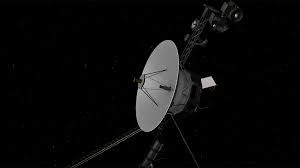
The Voyager 2 spacecraft is the only mission to fly close enough to image Miranda. There are no other
missions to Miranda planned at this time.
×
INTERESTING FACTS
Ariel rotates synchronously with its orbital period, keeping the same face toward the planet and the same
face forward in its orbit.
Ariel has the brightest surface of the five largest Uranian moons, but none of them reflect more than
about a third of the sunlight that strikes them.
It takes Ariel around 40 hours to complete one full orbit around the planet.
Ariel is large enough that it is considered one of the spherical moons, meaning it is almost a perfect
sphere.
×
INTERESTING FACTS
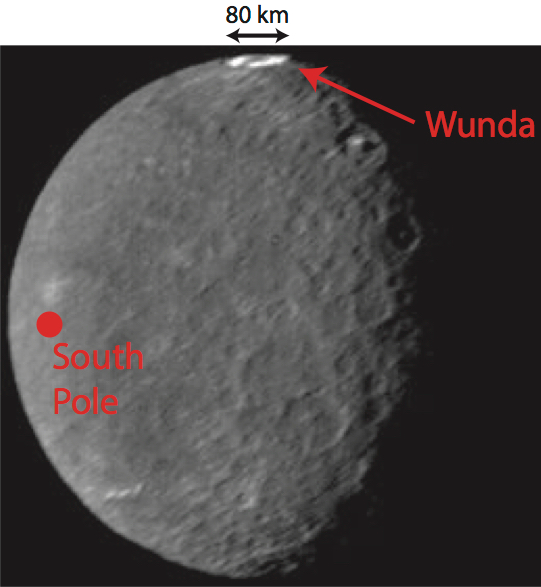
Umbriel, also known as Uranus II, is a natural satellite of the outer planet.
Water ice absorption bands are stronger on Umbriel's leading hemisphere than on the trailing hemisphere.
Umbriel's surface is the darkest of the Uranian moons, and reflects less than half as much light as
Ariel.
The strangest feature in this image (at top) is a curious bright ring, the most reflective area seen on
Umbriel.
×
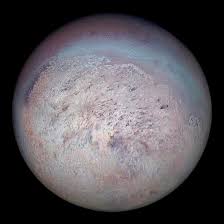
INTERESTING FACTS
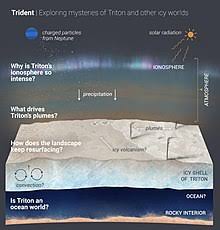
Triton, largest of Neptune's moons, whose unusual orbital characteristics suggest that it formed
elsewhere in the solar system and was later captured by Neptune.
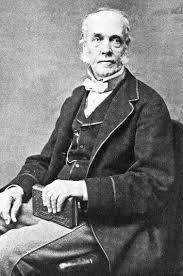
It was discovered by the English astronomer William Lassell in October 1846, only a few weeks after the
discovery of Neptune itself.
Millions of years from now, Triton will move so close to Neptune that tidal forces will rip Triton apart,
forming bright new rings around the giant planet.
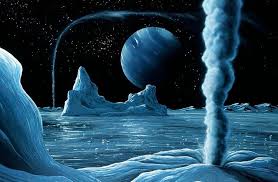
Triton features geysers spouting sublimated nitrogen,resembling Earth’s hot water geyser.
×
INTERESTING FACTS
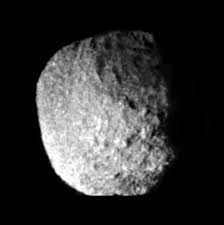
Proteus is a slightly non-spherical moon.
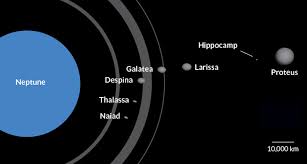
Proteus is the second largest Neptunian moon, and Neptune's largest inner satellite.
Proteus was found from the images taken by Voyager 2 probe during the Neptune flyby in 1989.
Scientists believe Proteus is about as big as a body of its density can be without being pulled into a
spherical shape by its own gravity.
×
INTERESTING FACTS
Nereid, or Neptune II, is the third-largest moon of Neptune.
Nereid was discovered on 1 May 1949 by Gerard P. Kuiper using photographic plates taken with the 82-inch
telescope at the McDonald Observatory.
It is named after the Nereids, sea-nymphs of Greek mythology and attendants of the god Neptune.
Nereid's surface is composed of a mixture of water ice and some spectrally neutral material.